A dog collar may seem like a simple strip of fabric or leather, but the material it is made from directly affects your dog’s comfort, safety, and everyday happiness. From muddy walks to rainy days, collars handle more wear than most pet owners realize. Choosing the right material ensures that the collar lasts longer and feels better on your dog’s neck.
Dogs wear collars for long hours, sometimes daily. That means the wrong fabric can easily cause skin irritation or discomfort. The best collar materials strike a balance between durability, comfort, and easy maintenance.
Leather Collars: Traditional and Comfortable
Leather has been trusted for decades because it offers comfort and strength. A quality leather collar becomes softer with time and eventually molds to a dog’s shape. That natural flexibility makes leather comfortable for daily use.
Leather works best for dogs who spend most of their time outdoors in dry conditions. It does require occasional care, such as cleaning and conditioning, to avoid drying out or cracking. When well maintained, leather collars are known for lasting years while developing a more polished look.
Nylon Collars: Lightweight and Versatile
Nylon is one of the most widely used materials for dog collars. It is affordable, lightweight, and available in endless colors and patterns. Nylon handles daily wear well and dries much faster than leather.
For active dogs that enjoy puddles, dirt, or beach walks, nylon is a practical option. Look for tightly woven nylon with reinforced stitching. Cheap nylon collars stretch, fray, and stain easily, while high-quality nylon remains reliable and comfortable.
Biothane and Waterproof Collars
Biothane is becoming a favorite among dog owners who love low-maintenance gear. It looks similar to leather but is completely waterproof. Dirt wipes off easily, and the material never absorbs odors or moisture.
Dogs that swim often or enjoy muddy adventures benefit most from biothane. This material does not crack, rot, or weaken after exposure to water, making it ideal for heavy outdoor use.
Padded and Neoprene-Lined Collars
Some collars include neoprene or soft padding along the inside. This lining protects a dog’s neck from friction, especially helpful for dogs with short fur or sensitive skin.
If your dog wears a collar all day or pulls on the leash, padded collars offer extra comfort and protect against pressure points. This becomes especially important for growing puppies or older dogs with delicate skin.
When a Collar Is Not Enough
While collars serve an important role for identification, they are not always the best walking solution. Small dogs and dogs with breathing issues often do better with harnesses. A custom dog harness provides better control and removes pressure from the neck.
A trusted dog harness manufacturer understands how body structure affects joint and spine health. That level of engineering is why pet owners increasingly choose harnesses for walking and collars mainly for tags.
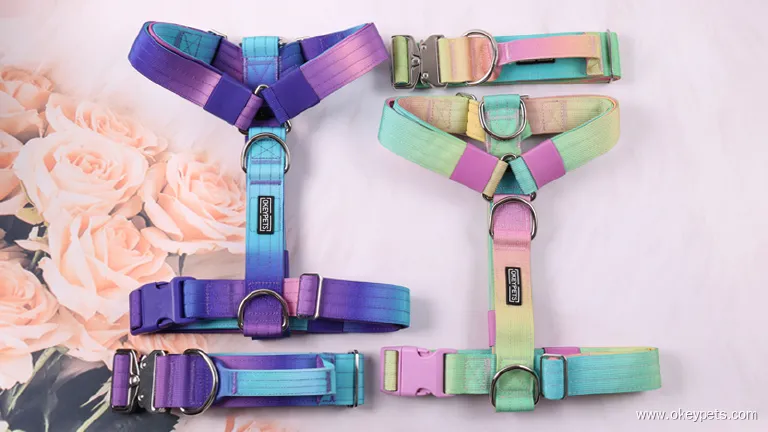
OKEYPETS design harnesses that focus on comfort, durability, and style. Their Neoprene Dog Harness, Tactical Dog Harness, and Velvet Dog Harness collections prove that walking equipment can be as safe as it is fashionable. A designer dog harness not only protects the dog’s body but also enhances appearance without sacrificing function.
Hardware Matters Too
Material is not the only factor. Buckles and rings must also be strong. Stainless steel and brass outlast plastic fittings, which can crack or snap. A strong collar fails nowhere.
Final Thoughts
The best dog collar material depends on lifestyle. Leather offers timeless comfort. Nylon suits active dogs. Biothane excels in wet conditions. Neoprene padding improves comfort.
But collars are not the full solution. For walking and outdoor adventures, a well-fitted harness offers better protection. Many dog owners choose both, a collar for ID and a harness for walking.
Choosing the right materials today keeps your dog comfortable tomorrow. When safety meets smart design, dogs live better every day.