The majority of taxpayers think that if they have filed their tax returns, and paid what they could and paid what they could, their IRS account is most likely in good condition. Unfortunately, that assumption can occasionally lead to expensive surprise. The IRS keeps detailed records on every taxpayer, including details on payment, penalty, balance notifications, as well as the filing history. Many people aren’t aware is that these records can include errors, insufficient information, or problems that grow in a quiet manner over time.
IRS transcript review has grown into one of the most beneficial tools for taxpayers who need clarity on their tax affairs. It is important to understand what the IRS is looking for when it examines your account before you can deal with tax issues.
Why IRS transcripts are more important than tax returns
Many people believe that tax returns tell the entire story of their tax time. Tax returns are merely documents of what was presented. IRS transcripts offer a comprehensive description of what actually transpired after the tax return was filed.
A transcript could reveal unpaid balances which have accrued interest over the course of years. It could also reveal penalties that were assessed without the taxpayer’s knowledge. The IRS might not have been notified or processed a tax return an individual taxpayer believed was properly completed.
Taxpayers often make financial decisions without examining the records. They rely on incomplete information. Transcript analyses are a great way to discover areas that might not be obvious.
The Issue of Tax Returns Not Filled
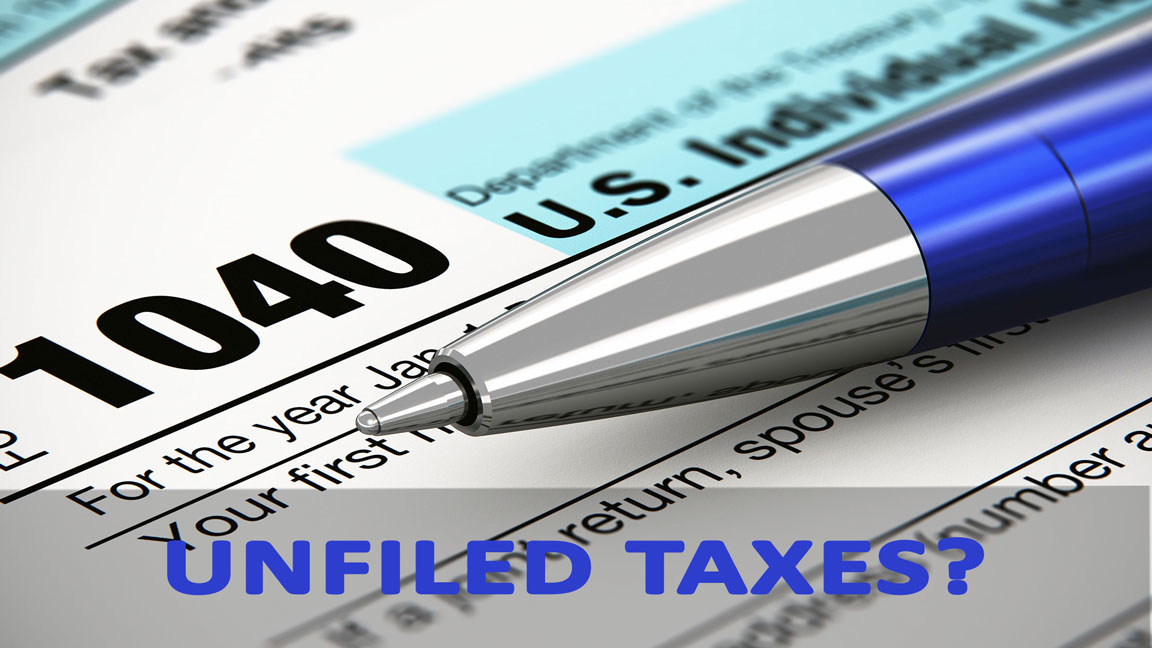
Missing tax returns are one of the most common findings during IRS account audits. A lot of business owners and individuals are behind on the filing of tax returns due to financial problems due to illness, health issues, or just confusion. The time of tax payers who require assistance with their unfiled tax returns is important. The longer returns go unfiled more risk of penalty, replacement returns, and collection activities.
The IRS can create a Substitute for the Return (SFR), based on the information provided by employers and banks and other third party. These tax returns usually do not include expenses, deductions or credits that can reduce taxpayer’s tax liability. Therefore, taxpayers usually owe much more than they actually should. A CPA will review the accounts of clients to identify any missing tax returns and create a strategy to bring them up to date.
Understanding IRS Notices before Responding
A receipt of an IRS letter may cause instant anxiety. However, many taxpayers commit the mistake of reacting before realizing the full meaning of the notice.
A skilled IRS notice response begins with determining the reasons why the notice was created in the first in the first place. Some notices refer to balances due to unpaid. Others involve missing return forms, verification requests, tax-related issues with payroll, or penalty assessments. A CPA is able to review IRS records to determine if the notice is accurate and which response is appropriate. A situation can become even more complicated if you do not have all the information.
Solutions for Taxpayers Who owe the IRS Money
It’s not easy to realize the IRS balance, particularly in the event that penalties and interest have been accruing for several months. Taxpayers have more options than many realize. Professional IRS assistance with payment plans can assist taxpayers in understanding available payment plans and deciding on which option is best suited to their financial needs. The goal isn’t simply to please the IRS but to create an effective plan of action that prevents additional financial stress. A majority of taxpayers are not willing to seek assistance. This allows the balances and collection actions of the IRS to escalate. Intervention early often leads to greater flexibility and higher quality outcomes.
Specialized Help Small Business Owners
Taxes for business can be more complicated than taxation for individuals. Problems can arise due to the complexity of tax issues, including employer reporting, payroll obligations and deadlines for filing.
Business tax relief services will help small companies identify their own issues and solve these issues, and create systems to minimize the risk of future problems. A thorough analysis of the bank account could reveal concerns that business owners might not even be aware of. Taxes on businesses impact cash flow, stability in operations and growth. The ability to address issues before they become a problem is important for long-term success.
Tax problems with payrolls require immediate attention
The tax on payroll is frequently considered to be one of the most significant tax problems. The IRS takes a different approach to taxation of payroll because firms take care of them on behalf both government officials and employees.
When businesses fall behind, payroll tax relief services can help evaluate available resolution options and communicate with the IRS on the company’s behalf. The delay in action could lead to the escalating penalty, collection efforts and personal liability concerns for those responsible. A professional review can provide a precise information about what is owed, how the problem developed, and what steps to take next.
Knowing is the First Step to Resolution
Being faced with IRS debt, missing returns and confusing notices may feel incredibly isolating however, trying to make your way around tax codes is a recipe for excessive stress and costly errors. Looking over your IRS transcripts will help you replace your anxiety with solid data. You’ll have the ability to know what the IRS assesses your accounts, making it easier to plan ahead rather than reacting in a blind manner.
If you’re trying to resolve a problem, such as the creation of an IRS payment plan or settle taxes on payroll or requesting assistance with filing tax returns that are not filed this comprehensive examination of your official documents is the way to go. This will allow you to identify your liabilities, find the missing credits, write a detailed IRS notice to move forward with confidence and security.